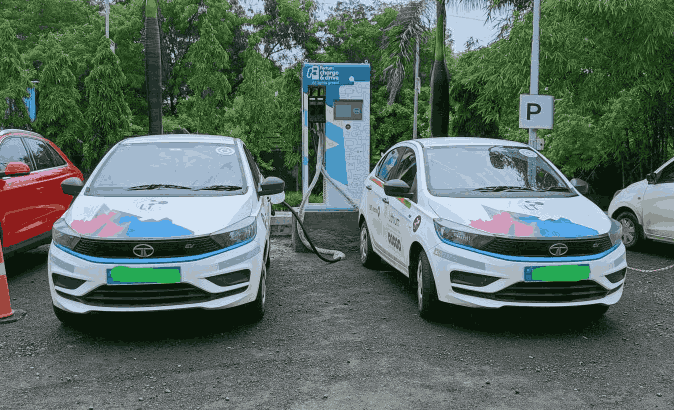
Embracing the Future: Transforming India’s Electric Mobility Landscape

What seems impossible, strange, or senseless today often becomes tomorrow’s innovation, necessity, or cutting-edge technology. Consider the idea of letting strangers ride in your car. Once considered bizarre, it is now the foundation of services like Uber. Similarly, the notion of finding a life partner online was once unimaginable, yet platforms like Shaadi.com have made it commonplace. The pursuit of creating artificial superintelligence, once dismissed as folly, is now at the forefront of technological advancement thanks to organizations like OpenAI.

New technologies, inventions, or ideas have always been controversial if they challenge our deeply held biases. This phenomenon describes the widespread concerns about new technologies—whether they be computers, smartphones, or electric vehicles—that we see throughout history before they find their permanent place in our daily lives.

The Evolution of Electric Mobility

Electric mobility has undergone a remarkable transformation. Initially, many were sceptical about its relevance in a price-sensitive market like India, where consumers have a plethora of choices across various price ranges. Range anxiety was a genuine concern due to the lack of a robust public charging infrastructure to support daily and intercity commutes. In a country where refuelling an internal combustion engine (ICE) car is as easy as pressing a button, the idea of adopting an electric vehicle with a DIY charging mechanism was not appealing to a large section of auto enthusiasts.

For many, the high-tech nature of electric vehicles posed an initial barrier, compounded by fears of the unknown regarding their future and the feasibility of mass adoption across the country. Some dismissed electric vehicles as a passing fad that would not endure. However, as technology advanced and infrastructure improved, what once seemed impractical is now becoming increasingly viable and essential. The shift towards electric mobility is not just a trend but a necessary evolution in our pursuit of sustainable and efficient transportation solutions.

The good news for the EV industry is that even the common person now understands they can save a lot on fuel expenses by switching to electric vehicles while enjoying a better driving experience. This financial incentive is a great motivation for them to transition to electric mobility apart from factors like the environment, air quality, or other benefits of EVs. It’s now just a matter of time before we see the dominance of electric vehicles on Indian roads.

Leaders Driving the Change

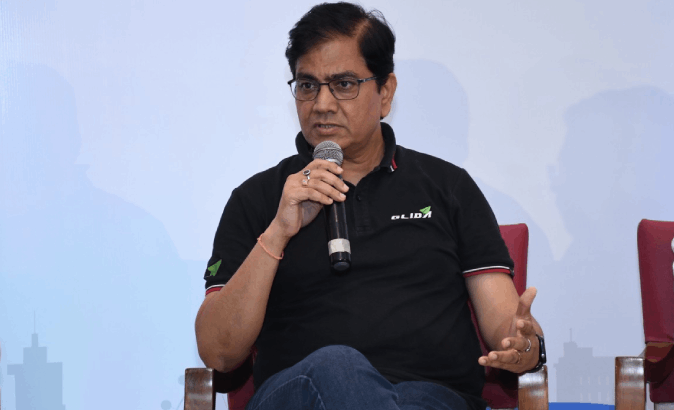
However, this positive change did not happen on its own or overnight. Industry thought leaders have played an instrumental role in driving this transformation. Their knowledge, patience, perseverance, foresight, and critical thinking have been the bedrock of the electric vehicle industry. When reflecting on the early stages and subsequent evolution of the electric vehicle sector in India, it is impossible to overlook the significant contributions of Mr. Awadhesh Kumar Jha, Executive Director – GLIDA.

He played a transformative role in accelerating the EV industry—from overcoming early skepticism and slow adoption to driving meaningful progress, quiet victories, and bold reforms. His leadership helped shape a more supportive policy framework and a future-ready ecosystem.

Awadhesh has been a strong proponent of establishing a reliable public fast EV charging infrastructure to connect the cities, states, and highways of the country so that EV uptake keeps growing robustly. In his words, to grow the EV ecosystem steadily, all industry stakeholders have to work in collaboration to empower EV users and boost their confidence to adopt EVs without any hesitations or barriers. This cannot happen without the government’s support by providing a robust policy that makes the environment conducive for the growth of the EV industry as a whole.

He has been a prominent panelist at industry conferences, highlighting the challenges and opportunities for Charge Point Operators (CPOs) to innovate. He emphasizes the essential support needed to develop a connected and accessible public EV charging infrastructure, crucial for accelerating the country’s transition to electric vehicles. Here are the highlights from his recent panel participations:

Ensuring 24/7 Power Availability Along Highways: The Government of India is making significant strides in promoting eMobility but ensuring 24/7 power availability along highways is crucial. Reliable, always-on chargers will not only make EV charging more visible but also viable and attractive to consumers and fleet operators. This confidence in the charging infrastructure is essential for widespread EV adoption.

Standardized Bidding Guidelines for CPOs: To streamline the allocation of public spaces to private Charge Point Operators (CPOs), standardized bidding guidelines are necessary. Implementing a pre-set lease or revenue-sharing model, akin to the Feed-In Tariff for electricity, can significantly boost agency revenues, particularly in the initial 5–6 years. This approach will encourage private investment and expedite the deployment of charging stations.

Open Access Regulations: Open Access regulations should be designed to support the growth of the EV market. Allowing annual banking and suspending wheeling and cross-subsidy charges until EV adoption reaches 10–15% will provide the necessary support for market expansion. These measures will reduce the financial burden on CPOs and make EV charging more affordable for consumers.

Market-Driven Service Fee Caps: Service fee caps should be determined by market competition rather than regulatory mandates. Setting fees could stifle technological innovation, as the costs associated with capex, opex, and charger types vary widely. A market-driven approach will ensure that fees remain competitive and reflective of the actual costs involved, fostering innovation and efficiency in the industry.

Conclusion

As India accelerates its transition to electric mobility, the role of Charge Point Operators (CPOs) becomes increasingly critical. They look towards the Government of India to provide proactive measures to support them in building a sustainable and efficient EV ecosystem, driving India towards a cleaner and greener future.
A Robust Public Charging Infrastructure is a must for mass adoption of EV

By – Mr. Awadhesh Kumar Jha, Executive Director – Fortum Charge & Drive India The automobile industry is gearing up for paradigm shift. The internal combustion engines (ICE), the prime mover of the industry for more than hundred years, is letting electric vehicles (EVs) drive in the high-speed lane. The appeal of EV to general public can be appreciated from the fact that year 2021 saw a sale of 6.6 million cars globally which was twice of that in 2020. Compared to year 2019, just prior to pandemic, market share of EV was four times in 2021. Close to 5 million plug-in EVs have been sold till July 2022 which is close to 80% of total sales for entire year of 2021. In our country also, sales of EV has been increasing at very high rate. In FY22 sales of EV across segments jumped threefold compared to FY21. Society of Indian Automobile Manufacturer (SIAM) has estimated that EVs would make up 40 per cent of new car sales by 2030 and 100 per cent by 2047. This milestone date coincides with 100 years of the country’s independence. A robust public charging infrastructure particularly for 4W PEV would be required for mass adoption of EV.

Need for Public Charging (Any time charging)

A report of McKinsey and IEA indicates that India will need more public charging than private charging because of its higher population density. When we compare the adoption of EVs and the share of public charging among nations like Norway, the United States, the Netherlands, China, and Poland that were early adopters of EVs, this is further supported. In terms of the ratio of automobiles per charging station, countries with larger population densities have a denser public charging infrastructure measured in number of vehicles to charge point (VCP). Netherlands (~450 person per km2) has VCP as 4, China (~150 people per km2) has 6, and US (~36 person per km2) has 79. 

When consumers discover that there are chargers available in their vicinity, their decision to buy an  EV gets boosted. The need for a public charging network that any EV user can access at any time remains paramount, so to speak. In a densely populated and space constraint country like ours, having a reliable and widespread public charging network is the optimum utilization of national resources. One unit of space equipped with chargers would serve many EVs compared to private charging. Besides, public charging is also optimal from grid point of view as it would allow the capacity created to be utilized to the maximum extent compared to home charging where capacity shall be used only for few hours. Though home charging would be preferred by end users during the initial period when public charging network is getting developed, on system level this would be sub-optimal use of resources. For multi storied apartments, it would be prudent to go for community charging instead of individual charging in each parking. As a country we need a rethinking on pushing for home charging in each parking spots. 

Today fast charging technology has evolved to offer same/similar experience to EV user in terms of time as one ICE user would get at gasoline station.  CPOs have started offering charging at 150-350 KW level which can charge a compatible car in less than 10 minutes to give 125-150km. Recently China and Japan have joined hand together to develop high power charger which can deliver power upto 900KW which can theoretically pump enough power to battery in less than 5 minutes to drive for more than 400 km.  As average charger capacity continues to increase, it becomes more efficient and less costly, thereby reducing recharging time. Another development which is taking shape at global level in 4W EV segment is wireless charging. This would be very helpful for fleet particularly at locations where drivers are waiting in queue for their turn like at the Airport. Wireless charging will offer continuous charging to the vehicles while they’re waiting and moving in the queue. 

Conclusions


As use of ICE (Internal Combustion Engine) vehicles have been ingrained in our habits due to its adoption for last 100 years, we need to give time to let EV become part of our habits.

Thanks to pandemic induced change in working habits, acceptance of digital mode of interaction augurs well for EV adoption as one can use the time effectively while their EV is getting charged. As quoted by Mahata Gandhi, action precedes habits; word leads action; thought heralds words; and belief precedes thought; today EV(Electrical Vehicles) has become part of our belief system and soon it will be part of our habit. This change is inevitable. 

The future is bright!

It feels like just yesterday when we embarked on our journey to electrify mobility in India. Since joining the EV-olution, GLIDA has brought a real drive to accelerate e-mobility. We have played a significant role in industry growth by active participation in shaping policies and strategies, showcasing our unwavering dedication to the nation’s electrification mission. With strategic thinking and extensive experience in the energy sector, our leadership has added real value to the sector. Their foresight and thought leadership have been truly valued by the policymakers and industry stakeholders alike.

As expressed by Mr. Awadhesh Kumar Jha, the Executive Director of GLIDA, “In the realm of electrification, India has accomplished a great deal in a relatively brief period. Now, it is crucial to accelerate momentum. Electrifying mobility in India holds immense potential, promising reduced household energy bills, eliminating our dependence on imported fossil fuels, and making a significant contribution to our efforts to combat climate change.”

Launch of GLIDA – Our New Brand Identity™

Blog Image

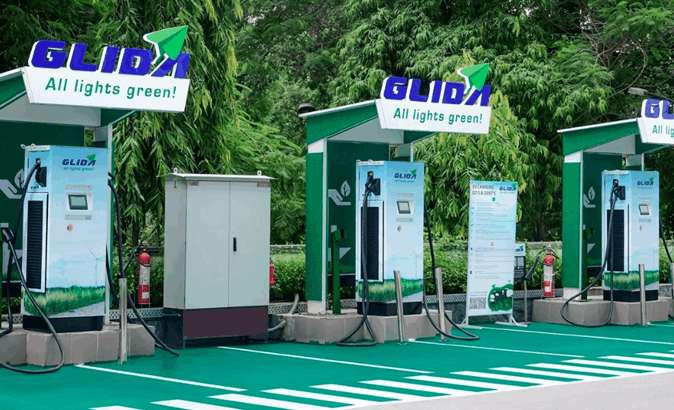
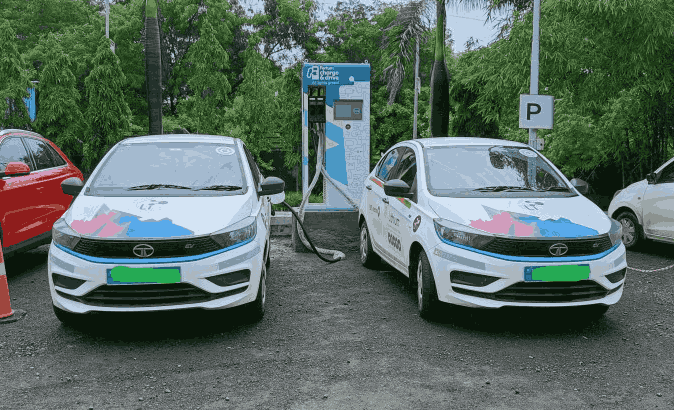
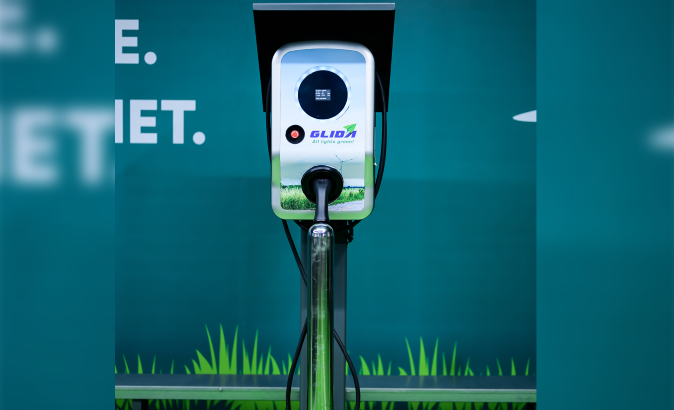
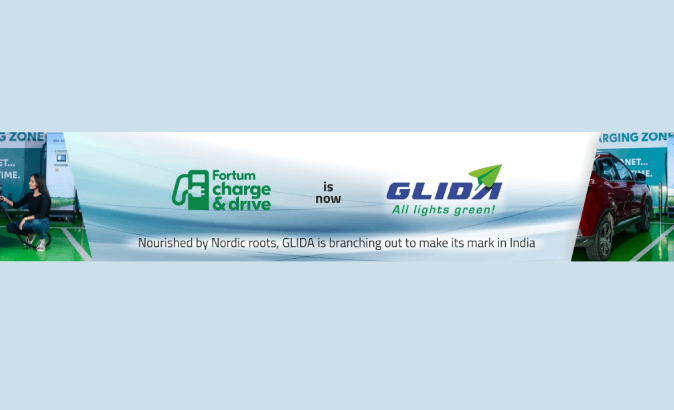
GLIDA charging station with our new brand identity exudes a minimalist, elegant aesthetic. We are GLIDA now… GLIDA is a Swedish word that stands for ‘moving smoothly and effortlessly.’ It gives our brand its own distinct identity that syncs up with our purpose to empower users by creating a robust public EV charging infrastructure. The name ‘GLIDA’ demonstrates what we stand for – freedom to move without any barriers or hesitation. Safety and innovation have always been our priorities, and this continues to be our motto.

Our vision has expanded to serve every PEV user with the same comfort and convenience at home when charging at our stations. Our new brand identity strengthens our connection with the EV community while our vision, mission, values, and promise remain unchanged.

Name: A Swedish word for glide meaning effortless motion. GLIDA symbolizes our commitment to offering a seamless charging experience to EV users.

Visual: A green leaf that doubles as a flying plane taking off into the sky, symbolizing smooth, fast, and affordable charging journeys at every GLIDA station.

Brand line: ‘All lights green’ reflects our commitment to providing a road without barriers.

Driving Toward a Unified India: Connecting Highways

Blog Image

Connecting India through GLIDA’s dynamically managing Public EV charging Portfolio

At GLIDA, we believe that constructive feedback is important for our growth. As pioneers in building public EV charging solutions, we take the responsibility to work constantly on getting better. We are committed to opening the doors of possibilities for those who truly want to push us to be better by making us their charging partner in their EV journey. When you shared your desire to witness a comprehensive EV charging network connecting all highways, we took your request to heart.

To provide you with a delightful experience, we work tirelessly to ensure your EV journeys are as convenient as possible, striving for a world where ‘All lights are green.’ Today, GLIDA is working towards connecting nearly 07 Highways by dedicating over 100 Charging Points to EV users. It doesn’t end here – there are many more Highways on our target list to go LIVE shortly. There’s a great possibility that by the time you’re reading it, the numbers have further grown! We gratefully dedicate our success to every early EV adopter in the country who paved the way for the eMobility revolution.

Promoting Electric Mobility Among Students

Blog Image

Student engagement forms a core part of our industry-building strategy.

“The commitment to sustainability is a seed that, once sown, grows into a tree. It should take root in early childhood within our immediate educational environment.” – Awadhesh Kumar Jha, Executive Director, GLIDA

At GLIDA, we firmly believe that sharing knowledge is the most effective way to build a resilient EV ecosystem, deepen the context of the electric mobility movement, foster awareness among the public, and integrate it into mainstream society. We’ve undertaken the responsibility to disseminate our knowledge not only to our business partners but also to the students who represent our future leaders.

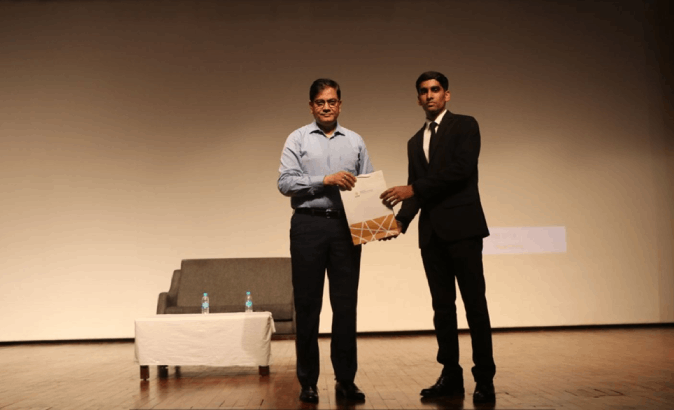
Education is the premise of progress in every society. It’s truly inspiring when a business leader invests wholeheartedly in the growth of a transformative industry and assumes the responsibility to progress it by engaging with young minds. Our Executive Director connected with students from diverse Educational Institutions to heighten their understanding of electric vehicles by combining historical analysis with projections about EVs for the near future.

Creating Long-Term Impact through Industry Thought-Leadership Initiatives

blog image

GLIDA provides information, support, and advocacy for the holistic growth of the EV ecosystem

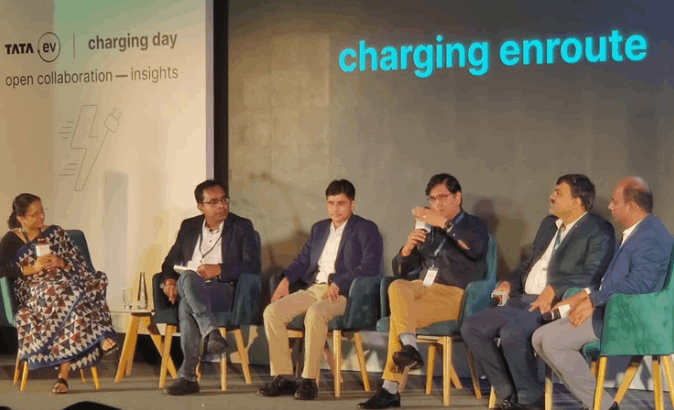
GLIDA participated at many International Conferences, Industry Forums, Webinars, and Student Guest Lectures to strongly keep the perspective of #eMobility in front of diverse audiences. Notable among these was our participation in a business delegation led by the Prime Minister of the Netherlands during his visit to India, aimed at strengthening vital B2B connections. Another first-of-its-kind event was TATA.ev Charging Day signified the launch of a collaborative platform where industry leaders come together to share knowledge, best practices, and learnings. On both these occasions, GLIDA’s Executive Director, Mr. Awadhesh Kumar Jha was invited as a Distinguished Speaker to share industry insight for enabling a strong future focus through past learnings.

GLIDA Loyalty Program is a HUGE Success

Blog Image

GLIDA Loyalty Program – Charge More, Earn More

At Every Touchpoint – Team GLIDA puts the EV Users at the center of everything we do. It’s making them feel like they are with the right brand, in the right place, getting the right charging solution and realizing that the entire experience was great!

Our #LoyaltyProgram – Charge More & Get More is no exception. To learn more about the offer, go to #GLIDA App and start saving on every charging session.

#StopPress Alert – Announcing the Formation of the Indian Charge Point Operators Association!

Blog Image

It’s time to be resolute, to lead, and to take action.

We are pleased to announce that seven leading Charge Point Operators (CPO) and Charger OEMs have come together to establish the “Indian Charge-Point Operators Association.” This association registered as a Section-8 company under the Indian Companies Act, represents a collaborative effort by industry leaders in the electric mobility sector. The primary objective of this association is to collaborate with various government ministries, departments, PSUs, electricity regulators, EV OEMs, autonomous institutions, and other stakeholders to identify and promote policies and investments necessary for scaling up #evcharginginfrastructure across India.

That’s a wrap!

We invite you to follow our social handles where we regularly post #GLIDAstories to keep you updated about our inspiring journey in the world of #electricmobility.

Your feedback makes us better. For any suggestion, idea, or general inquiries, write to us at support@chargedrive.in, or call us on our toll-free number: 1800 120 3578.

Fortum Charge & Drive India Shines Spotlight on India’s eMobility Journey at the Nordic EV Summit 2023, Oslo, Norway

Have you ever wanted to achieve something so religiously that a little part within you keeps working tirelessly to enabling it? What if that desire, like a magnetic force, possesses such strength that it compels you to stride forward, one resolute step after another.
This tale entails the story of same passion to guide and lead the nation towards the sustainable mode of transportation to contribute to achieving the objectives of the COP21 and mitigating the worst consequences of climatechange.

Flashback

Awadhesh addressed a globalaudience at the Africa Energy Forum 2022 in Belgium last year to share India’s eMobility story and the role Glida India is playing in advancing it. He implanted a seed of curiosity in the minds of global EV Industry’s key decisionmakers who were fascinated by his narrative and kept a strong eye on the progress of India’s EVolution.

The present

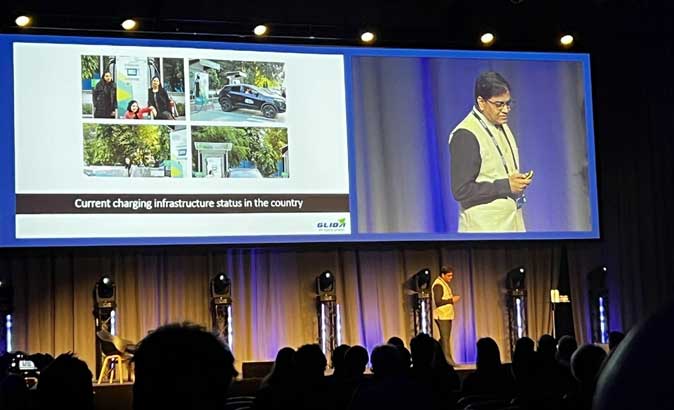
Awadhesh was back on a global stage last week at Nordic EV Summit 2023, Oslo to an auditorium full of inquisitive globalleaders who were eager to hear him once again for the sequel.

He kept the story of India’s glory in front of the world including decisionmakers from policy, industry, utilities, research, and leaders from organizations like finance institutions, commercial banks, power developers, technology providers, EPCs and professional services.

His presentation captivated the audience offering them a complete understanding and unique insight into how India is changing and why the coming decade is India’s time to rise and shine.

He also apprised them how at Glida India, in partnership with Finnfund, we are working strategically to build a profitable and responsible business for holistic EV ecosystem growth. He shared that our company’s growth has paralleled the expansion of the Indian market for electricvehicles.

Highlights from Glida India’s Presentation:

India is the fastest growing economy in the world.

Some facts that reinforce this:

Here are few other data points from Indian EV industry:

fortum-charge1
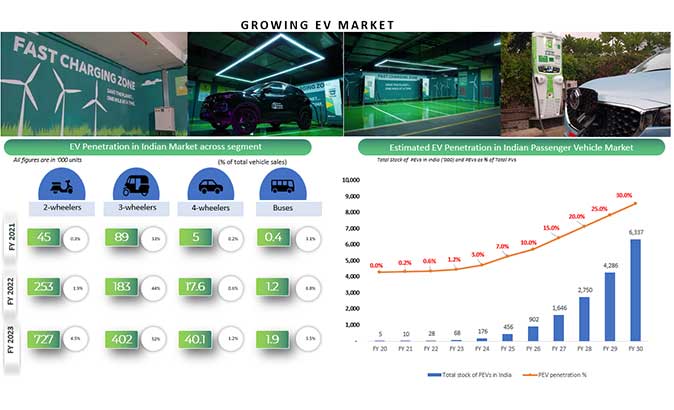
Growing EV Market in India with estimated EV penetration in Indian Passenger Vehicle Market

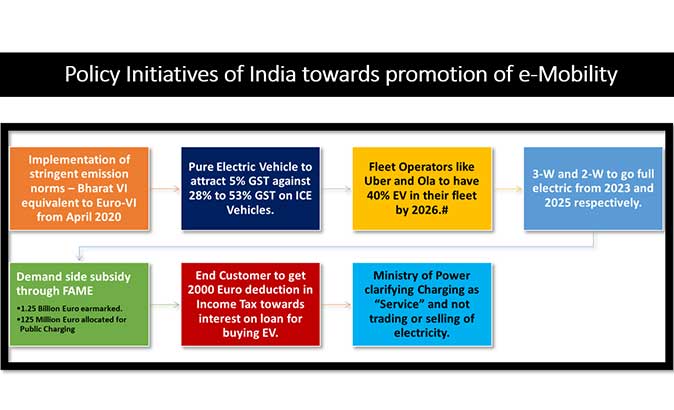
To show full picture of Indian EV industry, following Policy initiatives deserve special mention:

fortum-charge2
Policy Initiatives of India towards promotion of electric mobility

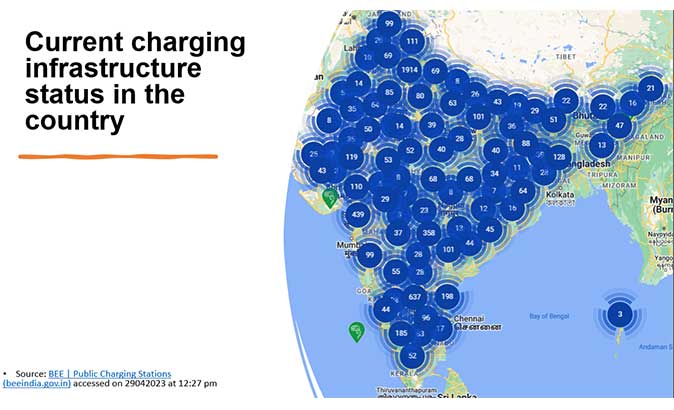
India’s present charginginfrastructure:

fortum-charge3
Current EV Charging Infrastructure Status in India

Glida India’s contribution in writing India’s EV story:

It has been an EVolving journey for us at Glida India. Having been the first movers, we had invaluable advantages — unbiased consumerinsights, freedom to experiment, strong humanconnections, deep roots in the EV community.

Today, Glida India provides a robust public EVcharging network in 18 cities across 500 charging points with reliable realestate partners.

Our chargingstations are located at Malls, Highways, AutoDealerships, FuelPumps, Retail, Airports, and marketplaces.

To provide exceptional service and develop innovativeproducts to support EV mass adoption through wordofmouth of earlyadopters, we consistently listen to user feedback.

Paving the Way

Awadhesh’s presentation was well-received by the globalaudience for combining historic data with projections to 2030.

He highlighted key trends related to EV deployment, charginginfrastructure, energy use, interoperability, and future technology needs for wider EV adoption.

fortum-charge4
Our purpose is to power a world where people, businesses and nature thrive together.

Acknowledgements

We thank all 50+ splendid speakers, 80 exhibitors, and sponsors, and 1300+ conference delegates from 40+ countries who made this year’s Nordic EV Summit a momentous event.

Special thanks to conference hosts Jack Scarlett and Helene Sommerset Busengdal.

We also thank Finnfund for supporting companies in achieving economic, social, and environmentalsustainability goals.

Useful links:

The Nordic EV Summit offered a fantastic global forum on electricmobility.

Speakers at the Nordic EV Summit: https://nordicevs.no/
List of participating companies: Event Agenda: https://nordicevs.no/program/

To contact Awadhesh Kumar Jha, visit: https://www.linkedin.com/in/awadhesh-kumar-jha-0697a28/

To know more about Glida India: www.fortum.in

To use our product “Charge-Thru”: www.chargedrive.in

Contact Us

We love hearing from you. For feedback or inquiries: support@chargedrive.in
Toll-free: 1800 120 3578

nordicevsummit electricvehicles electricmobility transport environment charging battery Fortum FortumIndia FortumChargenDrive Helena Teppana Fortum India Norsk elbilforening (Norwegian EV Association) Silvia Rojas Soto, Natalia Antonia Golis, Thought Lead

Electric Vehicles – The Next Big Source of Renewable Power Demand

Glida India has been at the forefront of #electricmobility, providing industry and users access to our knowledge base, advocacy, and community meets in addition to practical support and reliable advice.

To contribute to the #ElectricVehicles sector’s holistic growth and to create a better value proposition for EV users, we focus on helping players across the value chain in their efforts to succeed, transform, and grow.

Mercom India Renewables Summit 2023

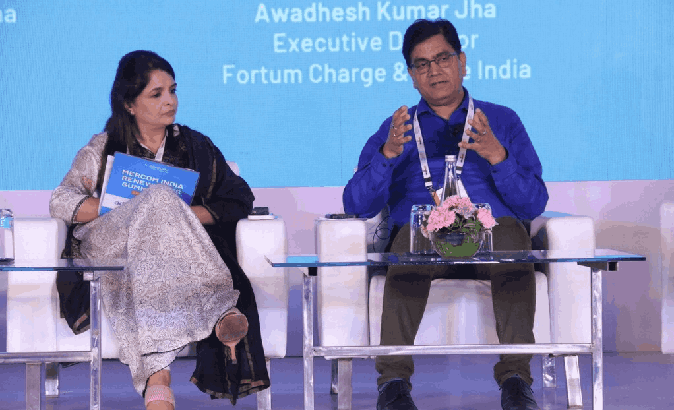
Shri Awadhesh Kumar Jha was invited to speak on a distinguished panel at the Mercom India Renewables Summit 2023 in New Delhi, organised by Mercom India, to share his views on Electric Vehicles – The Next Big Source of #RenewablePower Demand. He is well known as an insightful, purpose-driven #thoughtleader with a keen sense of the Indian and global EV movements.

He began by emphasising that #EVcharginginfrastructure has been keeping up with the growing number of electric vehicles in India, particularly in the passenger vehicle segment where a widespread and reliable public charging network is essential for enabling EV users’ movement “free from any hesitation.”

He noted that India needs distinct #charginginfrastructure for its 2W, 3W, 4W, and #ebus segments, as each has varying #battery capacities and use cases. Cars are often used for long distances, where without adequate public charging, EV users lack the confidence to fully utilize their vehicles.

India currently has around 2,000–3,000 DC fast chargers catering to about 60,000 #electriccars capable of accepting DC fast charging — roughly a ratio of one charge point for every 20–30 cars, which aligns with #globalstandards. This is further supplemented by approximately 6,000–8,000 AC charging points.

He added that both private and public sector entities have been contributing to the creation of #publiccharging networks. The #privatesector, notably, has been developing without government subsidies — an encouraging sign reflecting confidence in the business’s medium to long-term viability, assuming that car sales continue to rise rapidly.

EVs and Renewable Energy: A Perfect Partnership

Shri Jha outlined that EVs and #renewableenergy are perfect complements. Greater renewable adoption — from #solar and #wind — will make the #grid greener and further clean the EV journey. Even with India’s current #energymix, EVs remain significantly cleaner than internal combustion engine vehicles over their lifecycle.

He explained that passenger EVs, with large battery capacities (~30 kWh and above), could provide balancing storage for variable renewable sources like solar. As solar generation grows, India’s daily load curve is increasingly resembling the “duck curve,” with net load dips during the day.

Since most cars remain stationary during the day (at homes or offices), they can absorb excess solar energy. When these cars return home in the evening — India’s peak demand period — they can feed energy back into the grid. This would help avoid costly investments in additional #storage capacity.

That’s why Shri Jha emphasised that #India should begin preparing for #V2G (Vehicle-to-Grid). He urged #OEM charger manufacturers, car makers, and CPOs (Charge Point Operators) to collaborate to make this vision a success. He highlighted the need for #bidirectional chargers and V2G-enabled vehicles, supported by standards like IEC15118 for communication.

He further mentioned that the government should create a suitable regulatory framework for enabling #V2G, since it would require aggregation of energy through a third-party player.

India’s Energy Demand and EV Growth

In response to a question about India’s electricity needs to meet its target of 30% electric vehicle sales by 2030, he estimated around 6 million #electriccars on Indian roads by then. With an average battery size of 30 kWh, the additional energy demand would be around 19 billion units — just 1.5% of India’s current generation (~1,600 billion units). Thus, while overall generation won’t be a challenge, last-mile distribution infrastructure will need strengthening.

He cautioned against widespread unplanned home charging, as it could lead to underutilized grid investments. Instead, he recommended using load-balancing home chargers to manage household energy demand efficiently or encouraging #community charging solutions in parallel.

Driving India’s EV Future

He emphasised that there is no better time than now to embark on the EV journey. Shri Jha shared that Glida India operates 470 charging points across 20 cities and continuously strives to provide EV users with a seamless experience — empowering them to travel confidently across any distance without hesitation. Glida is also building a strong EV community that empowers users to demand excellence from industry service providers.

To explore his insights on #sustainabledevelopment, #cleantechnology solutions, and the #futureofmobility, follow him on LinkedIn.

Excerpts from the Session

Joseph Teja, Consultant at NITI Aayog, highlighted the need to develop public-private partnerships to encourage private sector participation in setting up #EVcharginginfrastructure.

Abhishek Dabas, CEO of Gentari Green Mobility India, said #renewables will play a key role soon, considering the exponential growth of the #EV sector.

You can view the detailed summit agenda here.

Useful Links

Visit Fortum India to learn more about sustainable energy initiatives.

Use Glida India Charging Stations without downloading the app, or through #RFID access.

We love hearing from you — reach out anytime at support@chargedrive.in.

Together for a healthy Planet.

Once upon a time there was a joyful and healthy living planet called #Earth that sustained various life forms including humans.

It gave enough of everything to humans for satisfying their needs. But the human race, out of their greed, kept on destroying Earth to an extent where it started retaliating instead of nurturing.

The trees were felled, wildlife was exterminated, the land and water bodies were mined, carbon-based industries were promoted, and transport needs were met by combustible engine-powered vehicles that polluted the environment through their tailpipes. Humans continued to exert more and more pressure on Earth in the name of achieving developmental objectives, thus ruining the equilibrium of the ecosystem.

Looking at their doom approaching when Planet started giving back to humans for their misdeeds, a few wise men grabbed the reins, took charge, and turned to promoting #sustainableliving amongst their fellow humans.

Soon humans started gracing #MotherEarth to help her heal by nurturing intimate bonds and investing in her wellbeing.

To do this, Earth’s inhabitants vowed to stop their wrongdoings, embrace sustainable lifestyles, and give up anything that might cause Earth to run out of resources, like their reliance on ICE-based transportation.

We at Glida India are establishing the most robust public #electricvehicle #charginginfrastructure to facilitate human transition to the #electricmobility revolution — bringing good times back both for humans and the Planet.

If you have always aspired to do your bit and contribute towards building a cleaner world, this is your moment to create it! Go for it and just begin.

#Electromobility has great potential to fulfill your desire for making our Mother Earth healthy, resilient, and strong to endure for #futuregenerations.

Nurture the growth that is emerging!
Supercharge the Indian electromobility Revolution!
Be the change that you want to see…

Blog image

There’s no Planet B.

Keynote Panel Discussions Around The Innovations That Will Shape The Future Of Electric Cars In India

How do you bolster that growth?

Simply put: You must take a lead and invest yourself selflessly into the process, pain, and effort that goes into building awareness among people, sharing your knowledge and experiences, and advocating for conducive policy to set a level playing field for industry stakeholders. It does not end here but also involves understanding the critical practical and psychological needs of the early adopters and finding innovative solutions for spreading positive word-of-mouth through them, dispelling myths, putting a great deal of thought to find the bumpy spots and smooth them out.

You need to take a radical approach at each step riding on your legacy of being the pioneering company and a market leader. This further entails setting in place the building blocks that will be needed to succeed once the technology is adopted on a larger scale in the larger interest of the users. Such initiatives have the potential to increase people’s interest in the new technology, build their confidence, and influence them to make the right and more informed decisions.

At Glida India, we understand that users must be provided with confidence to freely move forward so that they will not have to deal with range anxiety, which continues to be a significant issue and barrier in the widespread adoption of Electric Vehicles (EVs).

We firmly believe that public EV charging infrastructure with a larger number of DC Fast Chargers at accessible locations is the futuristic solution for everyday mobility. They reduce charging time, address range anxiety, and make long-distance travel easier. This will go a long way in establishing electric vehicles in the mainstream.

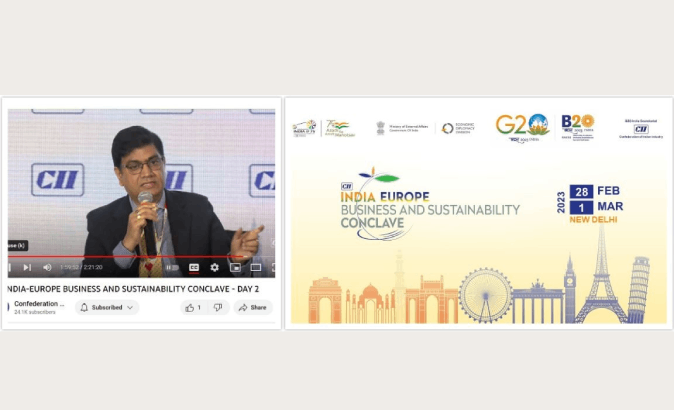
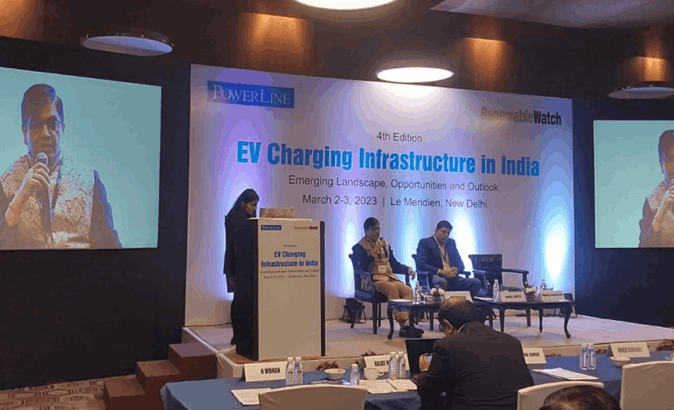
Last week was one of great action for Fortum Charge & Drive India. Mr. Awadhesh Kumar Jha – Executive Director, Glida India – was invited as a keynote speaker at two critical industry forums: the maiden edition of the Confederation of Indian Industry (CII) India Europe Business & Sustainability Conclave organized in partnership with the Ministry of External Affairs, Government of India (February 28 – March 1, 2023), and the “EV Charging Infrastructure in India” Conference organized by Renewable Watch Magazine and Power Line Magazine (March 2–3, 2023, Le Meridien, New Delhi).

blog image

Mr. Jha has had a lifelong interest in sustainability and propagating clean energy. He is always eager to support ideas that could change things for the better and help make the world a cleaner and healthier place. He is an international keynote speaker, author, thought leader, industry top voice, and futurist on the topic of electromobility.

He also serves as an Executive Member of the India Electric Mobility Council (IEMC) initiated by the India Energy Storage Alliance (IESA) to promote the adoption of electric vehicles in the country.

Excerpts from His Address at India Europe Business & Sustainability Conclave

– He emphasized how the potential discovery of lithium reserves in India would fundamentally alter the entire EV ecosystem and place it on the fast track in the coming years. Even if only 10% of the discovered 5.9 million tonnes of lithium reserve is economically usable, it amounts to 0.6 million tonnes. Since 1 kWh of battery requires around 160–250 grams of lithium, 1 tonne of lithium can electrify 100 cars with 40 kWh battery capacity. Thus, 0.6 million tonnes of lithium could electrify around 60 million electric cars with an average 40 kWh battery size.

– He continued by explaining that this lithium reserve is sufficient to electrify India’s vehicle market for years, and recycling lithium batteries at the end of their life will feed the ecosystem, making it self-sufficient. With around 40 million internal combustion engine (ICE) cars currently on the road, this builds a promising case for India’s EV industry.

– Additionally, he explained why India needs a strong DC Fast Charger Network across accessible urban locations to support four-wheeler electric vehicles. He stressed that cities are where EV adoption begins, but Indian cities are congested — with nearly 70% of cars in Delhi and Mumbai parked on roads. Public, shared spaces authorized for charge point operators (CPOs) offer a more optimal solution than individual private spaces.

– He also emphasized that government support is crucial for making robust electricity infrastructure available. He called for speeding up electricity connection approvals, which currently delay CPO deployment. India will need around 60,000 charging points annually for electric cars by 2030, up from 5,000 today — a goal achievable if connection delays are resolved.

Click here to watch Awadhesh Kumar Jha addressing the CII India Europe Business & Sustainability Conclave on March 1, 2023.

Key Takeaways from “EV Charging Infrastructure in India” Conference (2nd March 2023)

– Mr. Jha noted: “In a country like India, where resources are constrained, investing in sub-optimal categories like individual home chargers should be avoided. Community charging should be promoted instead. As EVs become more mainstream, the demand for public charging stations will rise.”

– He emphasized that imposing ceilings on service charges can distort the EV industry and hinder market growth.

– He highlighted the importance of interoperability in payment solutions for user convenience. He introduced Charge-Thru, a revolutionary product by Fortum Charge & Drive India, which allows EV users to charge without an app or RFID tag — marking a step toward interoperable EV charging.

– He also announced the launch of a 360-degree integrated payments solution — a co-branded prepaid RuPay Card by Fortum Charge & Drive India — enabling EV users to control their funds and make payments across various CPO networks. Read more here.

Mr. Jha believes that the time for electric mobility has truly arrived and that enhancing the customer experience will be key to propelling the industry’s growth.

Follow Awadhesh Kumar Jha on LinkedIn to read his thoughts regularly.

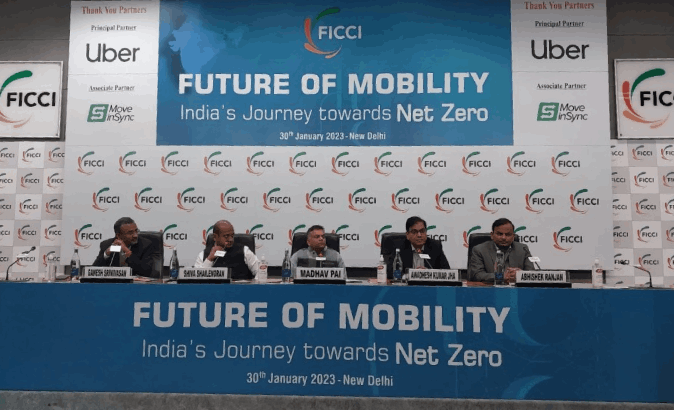
Future of Mobility: India’s Journey towards Net Zero

True Leaders Hold a Superpower

It’s fascinating how their thoughts can impact our emotions and actions. Their persona has the power to move people forward, take a leap of faith, and do things they never thought possible.

At Glida India, we have always given due importance to disseminating our #Nordic experience and knowledge earned from operating 6000+ charging points.

With #thoughtleadership, we have also shown great courage to speak openly about the hurdles and obstacles that need to be addressed by various stakeholders of the #eMobility industry in the most collaborative way to advance the sector in favor of a cleaner world.

Insights from the Future of Mobility Conference

Today, Awadhesh Kumar Jha shared his thoughts at the #FutureofMobility Conference, which provided a platform for industry leaders to discuss key topics like shared and connected transportation technology, seamless mobility services, #sustainablemobility, #autonomous transportation design, #IoT, multi-modal transit solutions, first and last mile connectivity, safe and #InclusiveMobility solutions, the role of mobility in #NetZero commitment, investing and financing models for advancing #eMobility, #PolicyInterventions for sustainable transport ecosystems, rural mobility, #WomenSafety, the need for robust public #EVChargingInfrastructure, and the role of EVs in offering flexibility to the grid through #V2G systems, R&D in bi-directional charging, and profitable business models for #Fleet operators.

Here are the views put forth by Awadhesh Kumar Jha during the panel discussion on #SustainableMobility. We hope they will make an interesting read for you as his perspective involved all aspects:

– The Problem
– Promising Solution
– Proof and Evidence
– Transformative Results
– Summary and Next Steps

The Current Scenario

As per GIZ’s report on EV charging infrastructure and its integration with the electricity grid, India’s road transport contributes nearly 64% of the country’s overall goods movement and caters to around 90% of India’s passenger traffic.

The road transport sector also accounts for close to 23% of emissions. Combined with power generation, these two sectors contribute to almost 45% of the nation’s emissions. Hence, it is vital to address emissions from both these areas.

Electric vehicles hold great promise in aiding and accelerating the decarbonization of both sectors.

India’s Commitments and Opportunities

India has made a commitment at COP26 in Glasgow that 500 GW of generation capacity would come from non-fossil fuels and 50% of energy requirements from renewable sources. Solar and wind will form the bulk of renewable energy sources, but as they are intermittent, a balancing mechanism is required — and that’s where EVs, particularly in the passenger car segment, become crucial.

With 30% annual EV sales expected by 2030, it’s estimated that around 5 million plug-in electric vehicles (PEVs) will be on the road. With an average battery size of 30 kWh, this fleet would have a combined storage capacity of about 150 GWh — essential for integrating variable renewable energy into the grid without additional system investment.

This integration can be achieved by developing and implementing the #V2G (Vehicle-to-Grid) system at both the regulatory and ecosystem levels. We need bi-directional chargers, V2G-enabled vehicles, and a smart grid. This will be a win-win for all stakeholders as it reduces EV ownership costs, lowers electricity infrastructure costs, and eliminates the need for expensive stationary storage. The communication standard IEC15118 already provides a technical foundation for this advancement.

Pilot Projects and Business Potential

Several pilot projects are already underway, and it’s time we implement similar initiatives in India. Fleet owners can benefit significantly — for example, a fleet of 50 cars with 10 kW bi-directional chargers could earn up to INR 5 million annually by supplying power to the grid for six hours a day (10x6x30x5x12x50 = ₹5,400,000).

Get in Touch

If you have any queries or would like to know more, please write to us at support@chargedrive.in or call us at 1800 120 3578.

We’ve taken it upon ourselves to smoothen India’s transition towards electric mobility and pave the way for a cleaner world.

Acknowledgment

Special thanks to FICCI for organizing such an insightful session that influenced and facilitated policy change by creating a platform for industry voices and perspectives.

We also extend our gratitude to the session chairs, moderators, and distinguished speakers who enlightened the audience and set the tone for an inclusive and forward-looking industry dialogue: Subhrakant Panda, Mike Orgill, JVS Ramakrishna, Palash Roy Chowdhury, Dr. Reji Mathai, Gunjan Vakharia, MBA, MS, Deepesh Agarwal, Nishant Arya, Sudhendu J. Sinha, Madhav Pai, Shiva Shailendran Sekar, Ramkrishna Singh, and Abhishek Ranjan.

Thank You !

Thank You!

For your support in 2022

Five years ago, we embarked on a journey to invest in building the robust public EV charging infrastructure in India with the purpose to drive the change for a cleaner world.

We’ve reached the end of another year since we started! And like all others – 2022 has also been a remarkable year for us in terms of the opportunities available to us.

We’re super stoked to announce that we’ve established the charging infrastructure of 360+ charging points in 16 cities of 10 states and 2 union territories & 4 highways.We also did our bit to contribute in the electric mobility movement by spreading awareness amongst masses and building the confidence of EV users by supporting diverse EV Drives.

To uplift the industry for everybody’s shared success and growth, we shared deep insights and knowledge with EV industry stakeholders.

To connect the individuals and other establishments with electromobility revolution, we rolled out our Franchise Partnership Program where any individual can be a part of EV ecosystem by owning a public EV charging Station.

We also made our customers’ lives easier by offering a number of industry firsts, such as Pine Labs Prepaid Card, and Charge-Thru – our new product for their convenience, complete control, and improved experience.

We stand strong with a community of 15,000+ registered users and our ever-increasing social media followers who support us through their feedback, suggestions, and interest in our services.

This didn’t end there!

Within our Glida India team, we have a bigger team size and more women on our cap table than earlier.

In addition to giving the country the freedom to go electric, we are working consistently to uphold Fortum core values, which align with our corporate philosophy of gender equality, diversity, inclusion, and building a great place to work with the motto – One For All For One.

We will continue our determined work to ensure that all EV users are driving steadily and reliably, by providing many more new charging points at public places where they dine, shop, work, spend time with their families, and other similarly accessible places that suit their charging needs.

Thank You Once Again!

We hope that our services continue to delight you in 2023 and beyond.

Thank You !

Thank You !

For your support in 2022 🙏🏻

Five years ago, we embarked on a journey to invest in building the robust public EV charging infrastructure in India with the purpose to drive the change for a cleaner world.

We’ve reached the end of another year since we started! And like all others – 2022 has also been a remarkable year for us in terms of the opportunities available to us.

We’re super stoked to announce that we’ve established the charging infrastructure of 360+ charging points in 16 cities of 10 states and 2 union territories & 4 highways.

We also did our bit to contribute in the electric mobility movement by spreading the awareness amongst masses and building the confidence of EV users by supporting diverse EV Drives.

To uplift the industry for everybody’s shared success and growth, we shared deep insights and knowledge with EV industry stakeholders.

To connect the individuals and other establishments with electromobility revolution, we rolled out our Franchise Partnership Program where any individual can be a part of EV ecosystem by owning a public EV charging Station.

We also made our customers’ lives easier by offering a number of industry firsts, such as Pine Labs Prepaid Card, “Charge-Thru” – our new product for their convenience, complete control, and improved experience.

We stand strong with a community of 15000+ registered users & our ever-increasing social media followers who support us through their feedback, suggestions and interest in our services.

This didn’t end there!

Within our Glida India team, we have a bigger team size and more women on our cap table than earlier.

In addition to giving the country the freedom to go electric, we are working consistently to uphold Fortum core values, which align with our corporate philosophy of gender equality, diversity, inclusion, and building a great place to work with the motto – One For All For One.

We will continue our determined work to ensure that all EV users are driving steadily and reliably, by providing many more new charging points at public places where they dine, shop, work, spend time with their families, and other similarly accessible places that suit their charging needs.

Thank You once again!

We hope that our services continue to delight you in 2023 and beyond.

close icon
Your current location is Gurugram
close icon

BENEFITS

INVESTMENT DETAILS
close icon

Contact Us

phone
+91 124 4418800
  • Fortum Charge & Drive India Pvt Ltd

    The Oberoi Centre, Building No. 11, Level 6, DLF Cyber City Complex, Phase 2, Gurgaon 122002, Haryana, India

  • phone
    1800 120 3578
  • phone
    support@chargedrive.in