Future of Electric Mobility: How Fast Charging Networks are Transforming India

Future of Electric Mobility: How Fast Charging Networks are Transforming India

The electric vehicle adoption in India is expanding very rapidly. It is signaling a significant transportation shift. Cities are using cleaner energy, and consumers are looking for conventional fuel-free cars. This change requires a robust and efficient charging infrastructure to support the growing EV market. Fast charging networks bring electric vehicles from niche experiments to regular use. These networks reduce waiting times, enabling drivers to recharge and continue to travel. They eliminate range anxiety, supporting EVs for lengthy commutes, transcontinental travel, and business.

In metropolitan and semi-urban regions, government initiatives, business investments, and technology accelerate electric vehicle fast charging station deployment. These networks connect vehicle capabilities and user comfort to revolutionize Indian transportation.

This blog discusses how fast charging will change the country’s transportation ecosystem. It will also examine the following:

  • Current trends
  • Technology breakthroughs
  • Major industry players
  • Government laws
  • The sustainability factor
  • Economics, and
  • Urban planning ramifications.

Current Trends in EV Charging in India

Electric cars are becoming common. The trend is clear from sleek electric scooters flowing through traffic to small EV automobiles stealthily passing gasoline stations. Indian roadways are expecting to have millions of electric cars very soon. The excitement is very high, but this revolution needs infrastructure from the leading EV charging stations companies in India. Private EV charging stations in India across housing societies or commercial parking lots serve a smaller, more acquainted audience. Rural and semi-urban areas are missing out as public and private accessibility expand. Compatibility is another problem. Not every charger fits every car, making it like finding the appropriate plug. Uneven distribution, slow charging outlets, and minimal maintenance add to the annoyance. Drivers waiting their turn, checking their phones, and hoping for a speedier answer are nearly impatient. But improvement is obvious. Government efforts and the companies such as Glida are diligently building a more stable network.

Why Fast Charging Networks Matter

  • Fast charging drastically reduces waiting time
  • Minimizes range anxiety among EV drivers
  • Enables smoother long-distance travel experiences
  • Boosts convenience for daily urban commutes
  • Enhances operational efficiency for taxi fleets
  • Reduces downtime for delivery and logistics
  • Encourages wider adoption of electric vehicles
  • Improves overall user satisfaction and confidence
  • Makes EVs practical for highway journeys
  • Supports continuous fleet operations with reliability
  • Strengthens trust in charging infrastructure quality
  • Promotes intercity connectivity through quick recharge
  • Increases energy turnaround at charging stations
  • Integrates seamlessly with smart grid systems.

Government Policies Driving EV Adoption

The Indian electric transportation revolution is much more than most people realize. Not only gorgeous cars or futuristic technology, but EV infrastructure is fueling their development. Many recent Indian government measures make EV adoption more possible and appealing. FAME-II subsidies have helped manufacturers and consumers overcome the pricing barrier that deters new users.

Infrastructure is another concern. State incentives for the top EV charging stations companies in India to build charging stations along highways and towns have hastened the government’s pursuit of public charging networks. New fast-charging stations near malls, petrol stations, and offices show this change. These installations change mindsets drastically. Thus, India can build a network that makes electric mobility a reality with the right laws, collaboration, and commitment.

Technological Innovations in Fast Charging

Technologies that make an electric vehicle fast charging station possible have caused a huge change in the world of electric transportation. Engineers and allied personnel have worked hard to make charging systems that offer precision, speed, and long-term use. DC fast chargers now make up most of the infrastructure. They give batteries a huge amount of power in incredibly short amounts of time.

These modern technical wonders get rid of the need to wait for hours and make things more convenient than ever before. Even though AC chargers aren’t very fast, they work well with both home and commercial settings and are easy to adapt to. Ultra-fast charging stations that look like they came from the future claim to be able to power long trips in minutes.

Smart charging systems use modern intelligence and digital elegance to coordinate the harmony of energy sharing. Integrating renewable energy sources like solar and wind power with electric energy gives this environment new life. Energy management systems keep things stable by making sure that every watt is used in the right way.

Impact on India’s Mobility and Environment

Every rapid charge for an EV is a modest victory against carbon emissions. Pollution gradually lifts, bringing better air to the country. With calm resolve, fossil fuel imports decrease, enhancing economic sovereignty and national resilience. The emergence of electric vehicle charging infrastructure in India drives economic and industrial growth. Specialists in engineering, software development, and technology find new jobs. Manufacturing facilities produce parts that represent India’s technical rise with purpose. Local innovators and global giants form relationships that combine ambition, pragmatism, and sustainability. Empowerment, progress, and national rebirth characterize the electric revolution.

Smoother, cleaner, and smarter urban transportation redefines the everyday commute. Digital accuracy and eco-friendly goals are turning busy city streets into cleaner, sustainable roads.

Each electric vehicle fast charging station brings India closer to a circular economy where technology and nature live together. This enormous transformation has changed human behavior and awareness, not just machines.

GLIDA’s Role in India’s EV Revolution

GLIDA, previously Fortum Charge & Drive India, is leading this electric mobility revolution. GLIDA’s renaming reflects its new mission to construct cutting-edge infrastructure for India’s e-mobility. GLIDA revolutionizes electric vehicle accessibility and dependability with over 982 public EV charging outlets in 17 states, 38 cities, and 16 highways. The company supports varied automobiles with charging alternatives including CCS, DC001, and Type 2.

Through easy mobile apps and timely customer assistance, GLIDA provides an excellent experience beyond infrastructure. Each electric vehicle fast charging station from the company represents development, and each establishment promises continuity. Guided by its vibrant catchphrase, “All lights green,” GLIDA signals a future where fossil fuel dependence steadily fades. Cleaner choices rise with confidence as electric mobility expands across every corridor. Sustainable benefits unfold, strengthening communities with reduced emissions and enhanced environmental harmony.

GLIDA now stands as a powerful symbol of India’s unstoppable EV transformation, illuminating every route with reliability and confidence. The company strengthens electric mobility with infrastructure that blends advanced engineering and seamless accessibility. Each charging point delivers unwavering performance that supports commuters with remarkable consistency. Every installation reflects a commitment that values progress, safety, and long-term sustainability. GLIDA’s growing network empowers drivers with freedom that eliminates hesitation during long journeys. Digital tools simplify charging experiences that once felt complex for new adopters. Continuous support ensures that every user receives guidance shaped with attentive precision. The company’s vision inspires a future where electric travel becomes effortless for every citizen. GLIDA accelerates this transition with innovation that enriches India’s mobility landscape daily. Now is the time to discover GLIDA’s fast charging solutions. Visit https://www.glida.in
A Vision Beyond Today: Building a Sustainable EV Ecosystem in India

“Success isn’t built in a day but every day – with every step forward adding up to win the race.”

Electric Vehicles (EVs) hold the potential to become the cornerstone of India’s sustainable future, signaling the country’s commitment to innovation and environmental stewardship. In an era marked by India’s emergence as a global power, the need to address climate change is no longer an option—it’s a necessity. The effects of carbon emissions and the urgency to curb greenhouse gases have become undeniable, even to skeptics. After all, growth that compromises human survival is not progress.

While promising, India’s electric mobility journey requires a well-coordinated effort from all stakeholders: policymakers, businesses, and consumers. A collaborative approach is essential to overcoming the systemic challenges that hinder seamless EV adoption.

The Case for EV charging infrastructure in India

By 2030, the country’s EV charging demand could rise to 30–40 GW, exerting pressure on existing rural feeder networks, particularly along highway corridors. India must focus on delivering reliable power solutions for EV adoption to keep pace, ensuring infrastructure development extends equitably across urban and rural regions.

GLIDA advocating Call to Action & Collaborative Approach to Drive Change

Since its inception in 2017, as Fortum Charge & Drive India, now rebranded as GLIDA, the organization has been at the forefront of building a robust electric mobility ecosystem in India. Positioned as a leader in the EV charging industry, GLIDA exemplifies its mission of enabling “freedom to move without barriers” by offering seamless and sustainable EV charging solutions.

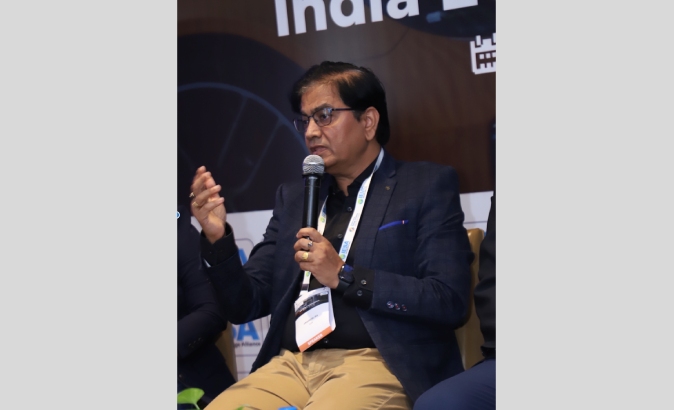
According to Awadhesh Kumar Jha, Executive Director of, the company’s vision extends beyond building a charging network. It aims to create an ecosystem that integrates advanced technology, best industry practices from around the world, regulatory alignment, and environmental consciousness, making electric mobility a preferred and mainstream choice for Indian consumers by passing them the maximum value.

Thus, GLIDA has consistently prioritized a collaborative approach for the co-creation of the EV ecosystem that flourishes with technological advancement and innovation to create more value for EV users and fulfill their needs and preferences while building the whole industry together.

Blog Image

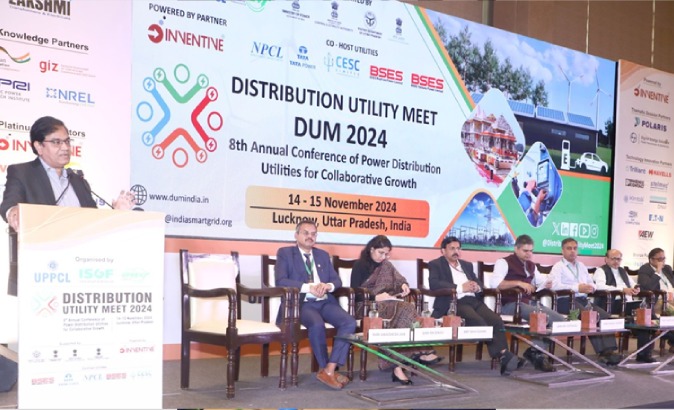
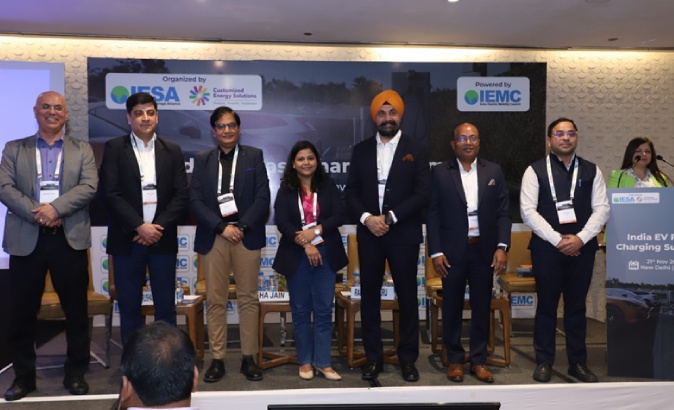
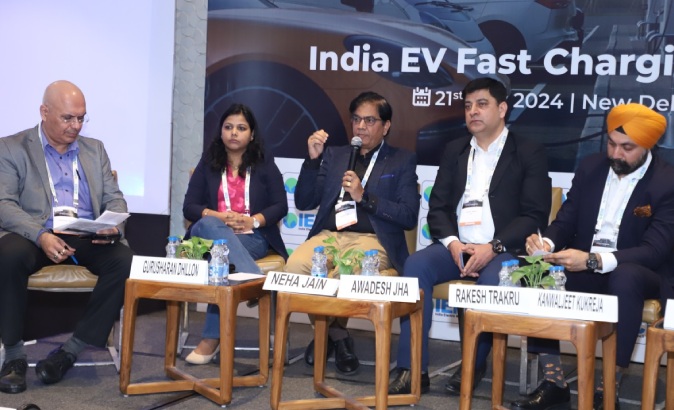
Here are the excerpts from recent Conferences hosted by the India Smart Grid Forum (ISGF) and India Energy Storage Alliance (IESA) where Awadhesh was invited as a distinguished speaker to apprise the industry stakeholders about the latest policy decisions and their impact on the EV sector.

Through these platforms, he discussed and highlighted the urgent need for:

  • Regulatory reforms to streamline infrastructure development.
  • Shared investments to alleviate the financial strain on providers.
  • Uniform technical standards to simplify implementation.

We invite you to share your thoughts on these points that he highlighted and if you would like to know more, feel free to reach out to him through his LinkedIn account or write to us at support@chargedrive.in

Modernizing India’s Regulatory Framework

In the words of Awadhesh, India’s electricity regulations, originally designed for traditional power systems, must evolve to accommodate the unique demands of EV infrastructure. Key areas of concern include:

A low threshold of Low-Tension (LT) Connection Limits

In many states like Uttar Pradesh, the Electricity Supply Code (2005) restricts LT connections to 50 kW, insufficient for supporting DC fast chargers. Gujarat’s recent amendment raising the LT threshold to 150 kW offers a progressive model for other states to follow.

Inflexible Consumer Categories

Current classifications fail to reflect the specific needs of EV infrastructure, making it difficult for providers to access appropriate connections. Though regulator has recognized Charge Point Operator as a separate consumer, the framework is built around traditional domestic/commercial segment. This needs to be relooked from EV charging point of view.

Restrictions on Multiple Connections

Regulations prohibiting multiple connections on a single premise create bottlenecks for establishing high-capacity public charging hubs.

Time-of-Day Tariffs

The existing tariff structure does little to incentivize off-peak charging, leaving grid loads unbalanced. A revised approach encouraging time-sensitive energy use can benefit both providers and consumers.

Blog Image

Addressing Cost Barriers and Ambiguities

He further informed the audience about how the high cost of upgrading upstream infrastructure often discourages charging providers from setting up new stations. This financial burden should transition to a shared investment model, involving stakeholders like utilities and government bodies.

Additionally, technical provisions must be clarified to prevent inefficiencies. For example:

Vacuum Circuit Breakers (VCBs):

Ambiguities in the Central Electricity Authority (CEA) guidelines result in varying interpretations by states. Mandating duplicate VCB installations or applying them to transformers even below 1 MVA only drives up costs unnecessarily.

Collaborative Action for a Sustainable EV Future:

GLIDA has always trusted that it’s time for building the EV industry and not just our charging business in isolation. Thus, we have never shied from sharing our knowledge and experience from the Nordic roots where we owned and operated one of the world’s most robust and proven charging networks. In the words of Awadhesh, India’s EV revolution hinges on proactive collaboration among regulators, Discoms, and industry leaders.

The Road Ahead

Blog Image

India’s EV transition is a pivotal step toward achieving energy independence and environmental sustainability. However, this journey demands bold regulatory changes, innovative solutions, and shared accountability. By addressing these challenges collectively, we can ensure that EVs not only meet their potential but also accelerate India’s path to a cleaner, greener future.

India’s EV revolution is at a critical juncture. As GLIDA continues to lead the charge with innovative, collaborative approaches, we all have a role to play. From rethinking regulations to investing in robust infrastructure, the road ahead demands bold action and shared accountability.

GLIDA is working in full gear to support the EV Industry to take a quantum leap from here and enable a future where every EV user takes pride in their choice and feels empowered while driving on Indian roads which are fully connected and electrified with a dependable, accessible, affordable and interoperable charging network. Feel free to reach out to us or ask us any questions or clarifications. We’re there on every step of your electric mobility journey.

Useful links:

India Energy Storage Alliance (IESA) Expert Panel: Moderator

Gurusharan Dhillon, Director e-Mobility, Customized Energy Solutions & India Energy Storage Alliance (IESA)

Panelists

  • Rakesh Trakru – GM Sales & Marketing, Toshiba
  • Vivekanand Kumar – Board of Director, Exicom
  • Awadhesh Kumar Jha – Executive Director, Glida India
  • Neha Jain – Head – Electric Vehicles & Innovation Ecosystem, MG Motor AEA
  • Anuj Kumar – Group Head – O&M (E Bus Charging Infrastructure), TATA Power
  • Kanwaljeet Singh Kukreja – VP – Innovation, Power Systems, Schneider Electric

India Smart Grid Forum (ISGF) Conference

Session Commencement: Shri K. R. Jyothilal IAS, Additional Chief Secretary – Energy, Kerala

Moderator: Mr. Pankaj Kumar, Managing Director, UPPCL

Presentations

  • Ms. Nidhi Narang – Presentation on the Business Plan of UPREV
  • Dr. Hanif Qureshi, IPS – Additional Secretary, Department of Heavy Industry
  • Awadhesh Kumar Jha – Executive Director, Glida India & Chairperson, CPO Association of India

Panel Discussion: EV Charging Infrastructure and Grid Integration

  • Isha Duhan – MD, Paschimanchal Vidyut Vitran Nigam Limited
  • Ramkrishna Singh – Head of Business Operations – EV Charging, TATA Power
  • Arjun Sinha Roy – Co-Founder and CEO, iRasus Technologies
  • Praveen Rathore – Regional Manager – Distribution, Eaton

Additional Information

To know more about Glida India, visit: www.fortum.in

To follow Awadhesh Kumar Jha, visit his LinkedIn profile: Awadhesh Kumar Jha on LinkedIn

close icon
Your current location is Gurugram
close icon

BENEFITS

INVESTMENT DETAILS
close icon

Contact Us

phone
+91 124 4418800
  • Fortum Charge & Drive India Pvt Ltd

    The Oberoi Centre, Building No. 11, Level 6, DLF Cyber City Complex, Phase 2, Gurgaon 122002, Haryana, India

  • phone
    1800 120 3578
  • phone
    support@chargedrive.in