GLIDA Lounge
-
16-Mar-26
-
 Back
Back
The Economics behind Quick Charging Stations in India’s Growing EV Ecosystem
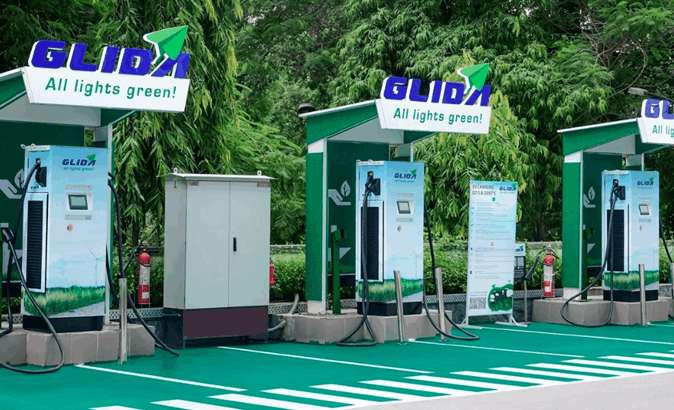
Electric mobility is increasing rapidly in India, making quick charging stations a national infrastructure priority. Economics herein shape the charging network development, operation, and ambition-viability balancing. Fast charging stations need financial discipline, operational vision, and smart positioning to justify large power expenditures. Solid economic frameworks turn charging infrastructure from experimental to commercially viable public utility assets. Sustainable development occurs when financial reasoning matches environmental goals and electric vehicle usage.
Understanding Quick Charging Stations
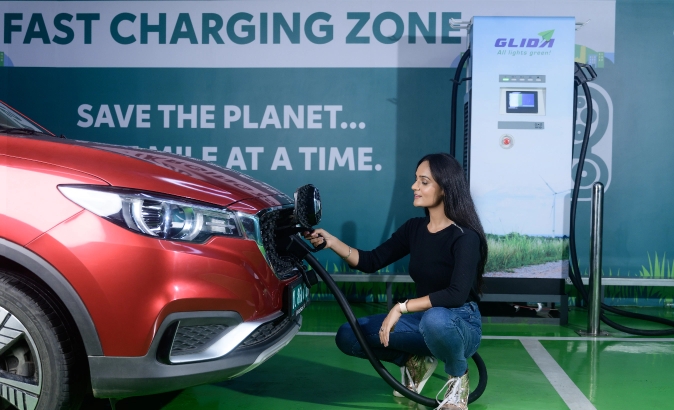
Quick charging stations are designed for moments when waiting simply isn’t an option. Instead of hours, they offer power in minutes, utilizing high-capacity systems that seem instantaneous during coffee breaks. Fast charging is more expensive to install and maintain, but enhances throughput and space efficiency. Think of a busy highway stop or a crowded urban hub where speed becomes value. In commercial zones, quick charging supports fleets and daily commuters, quietly turning time saved into measurable financial returns.
Comprehensive Cost Breakdown of EV Charging Stations in India
Quick charging stations need substantial upfront investment. High-powered chargers are the main investment, but they’re not everything. Electrical improvements like transformers and cabling silently increase costs, particularly in grid-unready regions. Land, owned or leased, civil work, and installation process have their own expenditure sides. Once the station launches, operational costs follow. Usage patterns and local tariffs affect electricity prices, affecting everyday economics. Software and network management provide smooth charging, while equipment maintenance prevents downtime. These recurring expenditures become as essential as setup over time. Understanding how capital and operational expenditures interact is crucial because profitability frequently comes from good planning rather than expansion. These are extremely crucial factors for all the top CV charging companies in India.
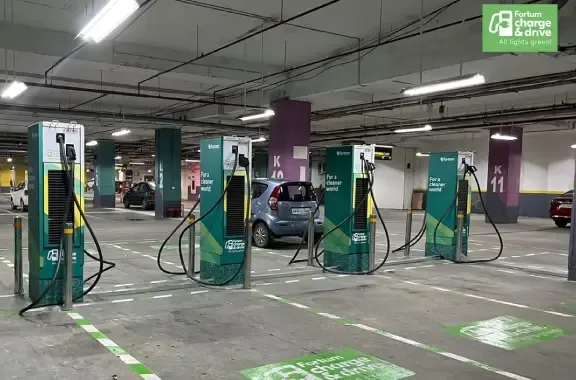
Location partners who can be counted on and share similar goals are also very important for the economy of charging infrastructure. Places like shopping malls, hotels, office buildings, and highway hospitality places are often in great spots that naturally draw EV users.
Also Read: How GLIDA – Powering the Future of Effortless E-Mobility
Key Factors Influencing the EV Charging Stations Cost in India
- Charger power rating
- DC fast charger type
- Urban land pricing impact
- Highway infrastructure premiums
- Semi-urban setup efficiencies
- Local grid capacity
- Transformer upgrade necessity
- Peak load demand charges
- Electrical compliance requirements
- Future scalability provisions
Collaboration with trusted technology partners and charger manufacturers ensures equipment reliability, future-ready upgrades, and long-term operational stability.
Revenue Frameworks and Value Generation Approaches
The commercial side of quick charging stations in India’s growing electric transport environment is shaped by how they make money. Pay-per-use systems turn every minute of charging into a measured amount of money and a steady stream of transactional income. Subscription models encourage loyalty, ensuring steady lines of income while providing fleet owners with reliable charging access.
Fleet-based setups keep demand stable by matching how resources are used and lowering the amount of income that changes during different commercial cycles. Retail agreements, advertising displays, and comfort services near charging stations all create lots of extra ways to make money.
Making it easy to pay is also very important for getting people to use it. Modern charging networks accept a number of payment methods, including mobile accounts, UPI, credit cards, and digital platforms that are built right in. Flexible payment methods make charging easier and more fun, especially for people who commute in cities and people who run commercial fleets.
Dedicated charging applications further enhance the customer experience by helping EV drivers locate nearby stations, check charger availability, initiate charging sessions, and monitor energy consumption in real time. These digital tools improve operational transparency while strengthening the connection between charging providers and EV users.
ROI & Break-Even Analysis
- Charger utilization consistency levels
- Daily charging session frequency
- Average revenue per session
- Peak versus off-peak usage
- Operating cost recovery pace
- Demand growth trajectory
- Break-even period estimation
- Long-term profitability outlook
Policy Support and Regulatory Considerations
Charger utilization consistency determines financial rhythm, ensuring infrastructure assets generate steady and predictable revenue flows. Daily charging session frequency amplifies earnings potential, transforming idle equipment into productive commercial instruments. Average revenue per session shapes margins, reflecting pricing strategy, consumer behavior, and charging duration dynamics.
Peak and off-peak usage patterns influence cash flow stability, balancing demand surges with quieter operational intervals. Operating cost recovery pace signals financial health, guiding investors towards informed sustainability decisions. Demand growth trajectory strengthens long-term confidence, while break-even timelines define patience thresholds. Long-term profitability outlook emerges when utilization discipline aligns seamlessly with evolving electric mobility adoption.
Future Outlook: Making Quick Charging Economically Sustainable
The future of quick charging outlets lies in technology that steadily lowers costs and makes operations more efficient. Modern power systems, flexible designs, and smart software all make setup cheaper and upkeep easier over time. Network scale increases use, turning random installs into charge environments that work together. The top EV charging companies in India can make the most of the scenario.
An effective EV ecosystem needs 24×7 support services. This is essential for its reliability. It not only helps address user queries but also troubleshoots charging issues. Real-time assistance helps build trust. It supports public charging infrastructure. This ensures that charging stations are reliable. They must remain dependable mobility enablers.
Concluding Remarks
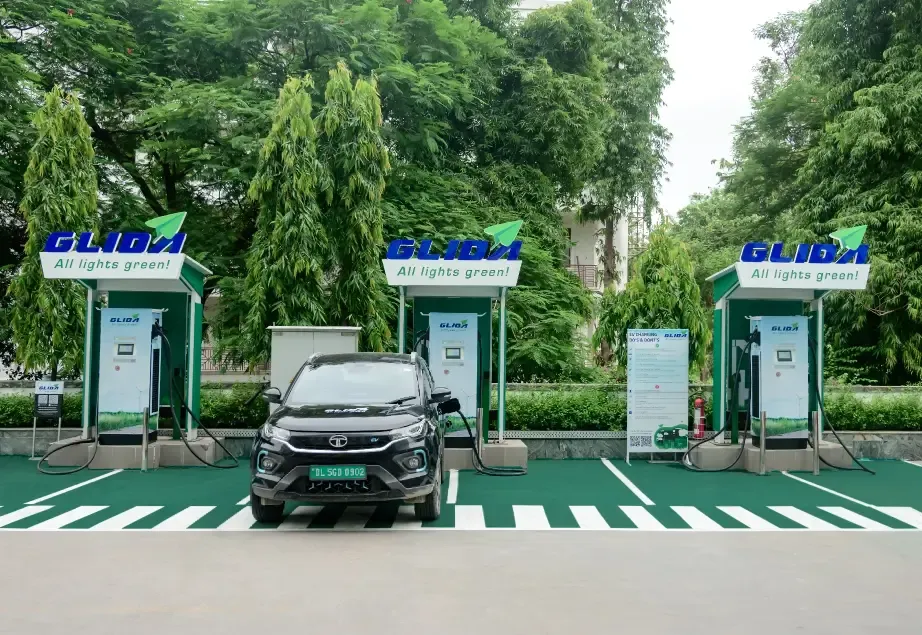
To sum up, India’s growth in electric transport depends on getting cost, demand, and infrastructure to work together. GLIDA’s strategy clearly shows how this can happen. GLIDA pledges to provide an easy-to-use charging network to assist more people in acquiring EVs in varied locations and with different users. Its gradual deployment of high-capacity quick charging stations demonstrates that it prioritizes ecosystem advantages above short-term cost savings.
This makes sure that charging is easy to get to and reliable for users. This approach strikes a balance between the money needed to build and run charging points and the opportunity of increasing demand for electric vehicles (EVs) along highways and in cities.
As shown by GLIDA, strategic planning builds infrastructure that adapts to changing market needs and technological progress. In the end, India’s move to sustainable electric transportation will depend on its ability to get its economy ready for it. This can be done through linked, efficient charging networks like the ones GLIDA is setting up.