GLIDA Lounge
-
26-Sep-24
-
 Back
Back
Embracing the Future: Transforming India’s Electric Mobility Landscape
What seems impossible, strange, or senseless today often becomes tomorrow’s innovation, necessity, or cutting-edge technology. Consider the idea of letting strangers ride in your car. Once considered bizarre, it is now the foundation of services like Uber. Similarly, the notion of finding a life partner online was once unimaginable, yet platforms like Shaadi.com have made it commonplace. The pursuit of creating artificial superintelligence, once dismissed as folly, is now at the forefront of technological advancement thanks to organizations like OpenAI.
New technologies, inventions, or ideas have always been controversial if they challenge our deeply held biases. This phenomenon describes the widespread concerns about new technologies—whether they be computers, smartphones, or electric vehicles—that we see throughout history before they find their permanent place in our daily lives.
The Evolution of Electric Mobility
Electric mobility has undergone a remarkable transformation. Initially, many were sceptical about its relevance in a price-sensitive market like India, where consumers have a plethora of choices across various price ranges. Range anxiety was a genuine concern due to the lack of a robust public charging infrastructure to support daily and intercity commutes. In a country where refuelling an internal combustion engine (ICE) car is as easy as pressing a button, the idea of adopting an electric vehicle with a DIY charging mechanism was not appealing to a large section of auto enthusiasts.
For many, the high-tech nature of electric vehicles posed an initial barrier, compounded by fears of the unknown regarding their future and the feasibility of mass adoption across the country. Some dismissed electric vehicles as a passing fad that would not endure. However, as technology advanced and infrastructure improved, what once seemed impractical is now becoming increasingly viable and essential. The shift towards electric mobility is not just a trend but a necessary evolution in our pursuit of sustainable and efficient transportation solutions.
The good news for the EV industry is that even the common person now understands they can save a lot on fuel expenses by switching to electric vehicles while enjoying a better driving experience. This financial incentive is a great motivation for them to transition to electric mobility apart from factors like the environment, air quality, or other benefits of EVs. It’s now just a matter of time before we see the dominance of electric vehicles on Indian roads.
Leaders Driving the Change
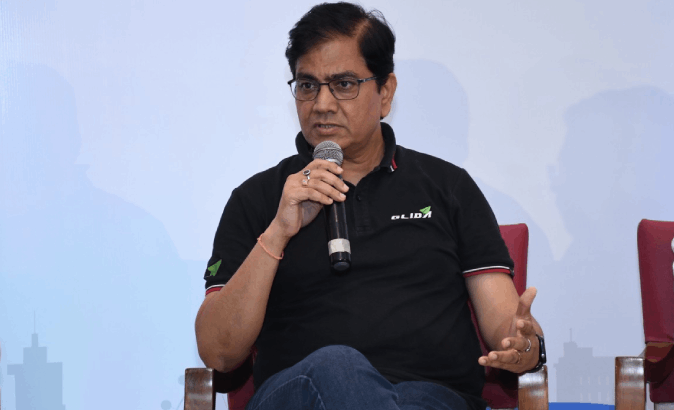
However, this positive change did not happen on its own or overnight. Industry thought leaders have played an instrumental role in driving this transformation. Their knowledge, patience, perseverance, foresight, and critical thinking have been the bedrock of the electric vehicle industry. When reflecting on the early stages and subsequent evolution of the electric vehicle sector in India, it is impossible to overlook the significant contributions of Mr. Awadhesh Kumar Jha, Executive Director – GLIDA.
He played a transformative role in accelerating the EV industry—from overcoming early skepticism and slow adoption to driving meaningful progress, quiet victories, and bold reforms. His leadership helped shape a more supportive policy framework and a future-ready ecosystem.
Awadhesh has been a strong proponent of establishing a reliable public fast EV charging infrastructure to connect the cities, states, and highways of the country so that EV uptake keeps growing robustly. In his words, to grow the EV ecosystem steadily, all industry stakeholders have to work in collaboration to empower EV users and boost their confidence to adopt EVs without any hesitations or barriers. This cannot happen without the government’s support by providing a robust policy that makes the environment conducive for the growth of the EV industry as a whole.
He has been a prominent panelist at industry conferences, highlighting the challenges and opportunities for Charge Point Operators (CPOs) to innovate. He emphasizes the essential support needed to develop a connected and accessible public EV charging infrastructure, crucial for accelerating the country’s transition to electric vehicles. Here are the highlights from his recent panel participations:
Ensuring 24/7 Power Availability Along Highways: The Government of India is making significant strides in promoting eMobility but ensuring 24/7 power availability along highways is crucial. Reliable, always-on chargers will not only make EV charging more visible but also viable and attractive to consumers and fleet operators. This confidence in the charging infrastructure is essential for widespread EV adoption.
Standardized Bidding Guidelines for CPOs: To streamline the allocation of public spaces to private Charge Point Operators (CPOs), standardized bidding guidelines are necessary. Implementing a pre-set lease or revenue-sharing model, akin to the Feed-In Tariff for electricity, can significantly boost agency revenues, particularly in the initial 5–6 years. This approach will encourage private investment and expedite the deployment of charging stations.
Open Access Regulations: Open Access regulations should be designed to support the growth of the EV market. Allowing annual banking and suspending wheeling and cross-subsidy charges until EV adoption reaches 10–15% will provide the necessary support for market expansion. These measures will reduce the financial burden on CPOs and make EV charging more affordable for consumers.
Market-Driven Service Fee Caps: Service fee caps should be determined by market competition rather than regulatory mandates. Setting fees could stifle technological innovation, as the costs associated with capex, opex, and charger types vary widely. A market-driven approach will ensure that fees remain competitive and reflective of the actual costs involved, fostering innovation and efficiency in the industry.
Conclusion
As India accelerates its transition to electric mobility, the role of Charge Point Operators (CPOs) becomes increasingly critical. They look towards the Government of India to provide proactive measures to support them in building a sustainable and efficient EV ecosystem, driving India towards a cleaner and greener future.