GLIDA Lounge
-
10-Dec-24
-
 Back
Back
A Vision Beyond Today: Building a Sustainable EV Ecosystem in India
“Success isn’t built in a day but every day – with every step forward adding up to win the race.”
Electric Vehicles (EVs) hold the potential to become the cornerstone of India’s sustainable future, signaling the country’s commitment to innovation and environmental stewardship. In an era marked by India’s emergence as a global power, the need to address climate change is no longer an option—it’s a necessity. The effects of carbon emissions and the urgency to curb greenhouse gases have become undeniable, even to skeptics. After all, growth that compromises human survival is not progress.
While promising, India’s electric mobility journey requires a well-coordinated effort from all stakeholders: policymakers, businesses, and consumers. A collaborative approach is essential to overcoming the systemic challenges that hinder seamless EV adoption.
The Case for EV charging infrastructure in India
By 2030, the country’s EV charging demand could rise to 30–40 GW, exerting pressure on existing rural feeder networks, particularly along highway corridors. India must focus on delivering reliable power solutions for EV adoption to keep pace, ensuring infrastructure development extends equitably across urban and rural regions.
GLIDA advocating Call to Action & Collaborative Approach to Drive Change
Since its inception in 2017, as Fortum Charge & Drive India, now rebranded as GLIDA, the organization has been at the forefront of building a robust electric mobility ecosystem in India. Positioned as a leader in the EV charging industry, GLIDA exemplifies its mission of enabling “freedom to move without barriers” by offering seamless and sustainable EV charging solutions.
According to Awadhesh Kumar Jha, Executive Director of, the company’s vision extends beyond building a charging network. It aims to create an ecosystem that integrates advanced technology, best industry practices from around the world, regulatory alignment, and environmental consciousness, making electric mobility a preferred and mainstream choice for Indian consumers by passing them the maximum value.
Thus, GLIDA has consistently prioritized a collaborative approach for the co-creation of the EV ecosystem that flourishes with technological advancement and innovation to create more value for EV users and fulfill their needs and preferences while building the whole industry together.
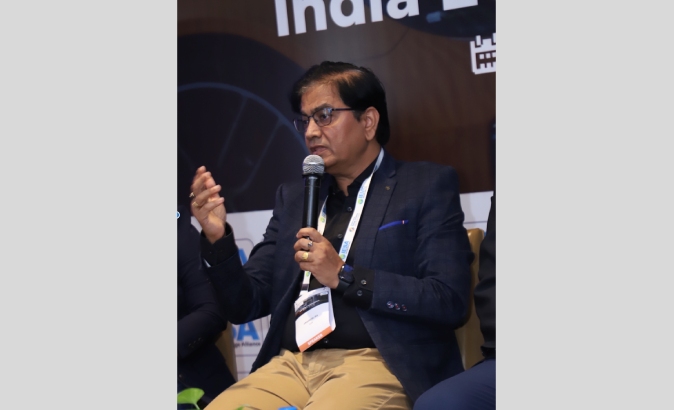
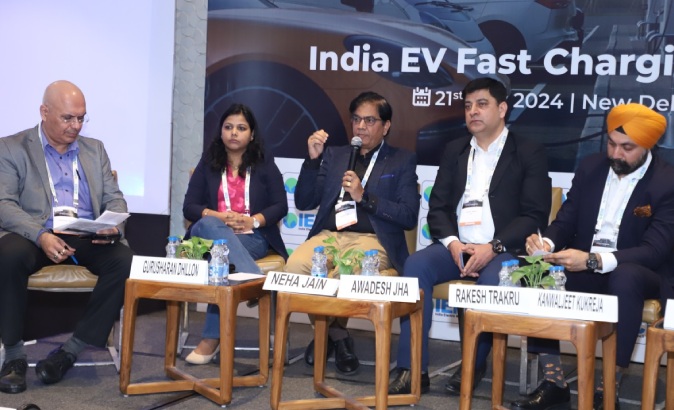
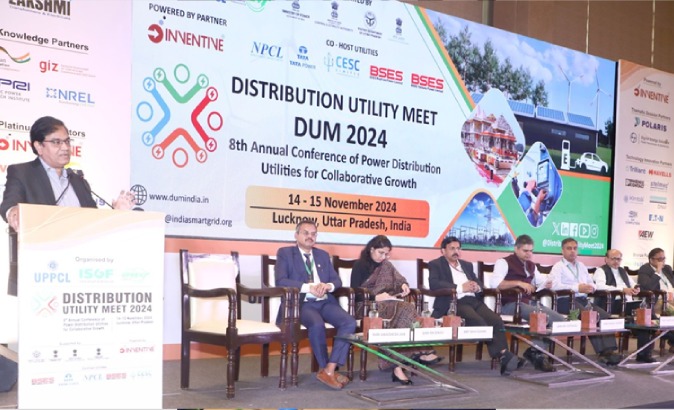
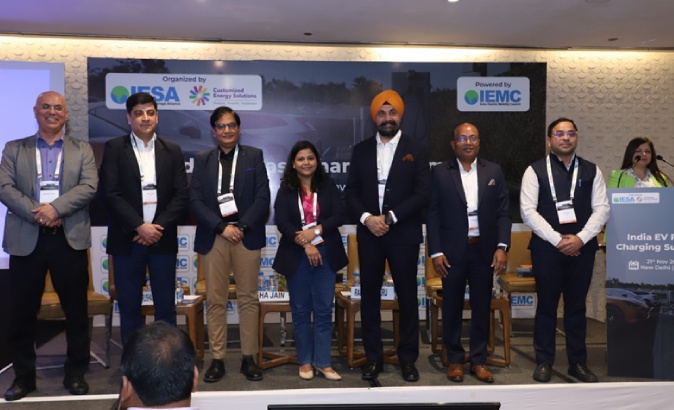
Here are the excerpts from recent Conferences hosted by the India Smart Grid Forum (ISGF) and India Energy Storage Alliance (IESA) where Awadhesh was invited as a distinguished speaker to apprise the industry stakeholders about the latest policy decisions and their impact on the EV sector.
Through these platforms, he discussed and highlighted the urgent need for:
- Regulatory reforms to streamline infrastructure development.
- Shared investments to alleviate the financial strain on providers.
- Uniform technical standards to simplify implementation.
We invite you to share your thoughts on these points that he highlighted and if you would like to know more, feel free to reach out to him through his LinkedIn account or write to us at support@chargedrive.in
Modernizing India’s Regulatory Framework
In the words of Awadhesh, India’s electricity regulations, originally designed for traditional power systems, must evolve to accommodate the unique demands of EV infrastructure. Key areas of concern include:
A low threshold of Low-Tension (LT) Connection Limits
In many states like Uttar Pradesh, the Electricity Supply Code (2005) restricts LT connections to 50 kW, insufficient for supporting DC fast chargers. Gujarat’s recent amendment raising the LT threshold to 150 kW offers a progressive model for other states to follow.
Inflexible Consumer Categories
Current classifications fail to reflect the specific needs of EV infrastructure, making it difficult for providers to access appropriate connections. Though regulator has recognized Charge Point Operator as a separate consumer, the framework is built around traditional domestic/commercial segment. This needs to be relooked from EV charging point of view.
Restrictions on Multiple Connections
Regulations prohibiting multiple connections on a single premise create bottlenecks for establishing high-capacity public charging hubs.
Time-of-Day Tariffs
The existing tariff structure does little to incentivize off-peak charging, leaving grid loads unbalanced. A revised approach encouraging time-sensitive energy use can benefit both providers and consumers.
Addressing Cost Barriers and Ambiguities
He further informed the audience about how the high cost of upgrading upstream infrastructure often discourages charging providers from setting up new stations. This financial burden should transition to a shared investment model, involving stakeholders like utilities and government bodies.
Additionally, technical provisions must be clarified to prevent inefficiencies. For example:
Vacuum Circuit Breakers (VCBs):
Ambiguities in the Central Electricity Authority (CEA) guidelines result in varying interpretations by states. Mandating duplicate VCB installations or applying them to transformers even below 1 MVA only drives up costs unnecessarily.
Collaborative Action for a Sustainable EV Future:
GLIDA has always trusted that it’s time for building the EV industry and not just our charging business in isolation. Thus, we have never shied from sharing our knowledge and experience from the Nordic roots where we owned and operated one of the world’s most robust and proven charging networks. In the words of Awadhesh, India’s EV revolution hinges on proactive collaboration among regulators, Discoms, and industry leaders.
The Road Ahead
India’s EV transition is a pivotal step toward achieving energy independence and environmental sustainability. However, this journey demands bold regulatory changes, innovative solutions, and shared accountability. By addressing these challenges collectively, we can ensure that EVs not only meet their potential but also accelerate India’s path to a cleaner, greener future.
India’s EV revolution is at a critical juncture. As GLIDA continues to lead the charge with innovative, collaborative approaches, we all have a role to play. From rethinking regulations to investing in robust infrastructure, the road ahead demands bold action and shared accountability.
GLIDA is working in full gear to support the EV Industry to take a quantum leap from here and enable a future where every EV user takes pride in their choice and feels empowered while driving on Indian roads which are fully connected and electrified with a dependable, accessible, affordable and interoperable charging network. Feel free to reach out to us or ask us any questions or clarifications. We’re there on every step of your electric mobility journey.
Useful links:
India Energy Storage Alliance (IESA) Expert Panel: Moderator
Gurusharan Dhillon, Director e-Mobility, Customized Energy Solutions & India Energy Storage Alliance (IESA)
Panelists
- Rakesh Trakru – GM Sales & Marketing, Toshiba
- Vivekanand Kumar – Board of Director, Exicom
- Awadhesh Kumar Jha – Executive Director, Glida India
- Neha Jain – Head – Electric Vehicles & Innovation Ecosystem, MG Motor AEA
- Anuj Kumar – Group Head – O&M (E Bus Charging Infrastructure), TATA Power
- Kanwaljeet Singh Kukreja – VP – Innovation, Power Systems, Schneider Electric
India Smart Grid Forum (ISGF) Conference
Session Commencement: Shri K. R. Jyothilal IAS, Additional Chief Secretary – Energy, Kerala
Moderator: Mr. Pankaj Kumar, Managing Director, UPPCL
Presentations
- Ms. Nidhi Narang – Presentation on the Business Plan of UPREV
- Dr. Hanif Qureshi, IPS – Additional Secretary, Department of Heavy Industry
- Awadhesh Kumar Jha – Executive Director, Glida India & Chairperson, CPO Association of India
Panel Discussion: EV Charging Infrastructure and Grid Integration
- Isha Duhan – MD, Paschimanchal Vidyut Vitran Nigam Limited
- Ramkrishna Singh – Head of Business Operations – EV Charging, TATA Power
- Arjun Sinha Roy – Co-Founder and CEO, iRasus Technologies
- Praveen Rathore – Regional Manager – Distribution, Eaton
Additional Information
To know more about Glida India, visit: www.fortum.in
To follow Awadhesh Kumar Jha, visit his LinkedIn profile: Awadhesh Kumar Jha on LinkedIn